Lion Dance
Introduction
The lion dance is a traditional Chinese performing art that has captivated audiences for centuries with its vibrant costumes, rhythmic music, and skilled choreography. It is a form of dance that mimics the movements of a lion, performed by two dancers wearing a lion costume. This cultural spectacle is often performed during festive occasions, such as the Spring Festival, to bring good luck and ward off evil spirits. The lion dance combines elements of martial arts, acrobatics, and storytelling, making it a visually stunning and culturally rich performance.
History
Origin
The lion dance has a storied history that dates back over a thousand years. Its origins are believed to be rooted in the period before the Han Dynasty (206 BC-AD 220), influenced by the introduction of lions to China through the Silk Road. Initially, the dance was a way to mimic the appearance and actions of these exotic animals, which eventually evolved into the lion dance we know today. By the Tang Dynasty (618-907), the lion dance became a popular form of entertainment during cultural and religious festivals, symbolizing the triumph of good over evil.
Evolution
Over the centuries, the lion dance has evolved significantly, incorporating various regional styles and elements. During the Three Kingdoms Period (220-280 AD), the art form began to take shape, reaching a notable peak in popularity during the Southern and Northern Dynasties (420-589 AD). The dance continued to thrive and diversify, particularly during the Qing Dynasty (1644-1911), when distinct regional styles emerged. Today, the lion dance is characterized by two main styles—the Northern Lion Dance and the Southern Lion Dance—each with its unique flair and techniques.
Types of Lion Dance
Northern Lion Dance
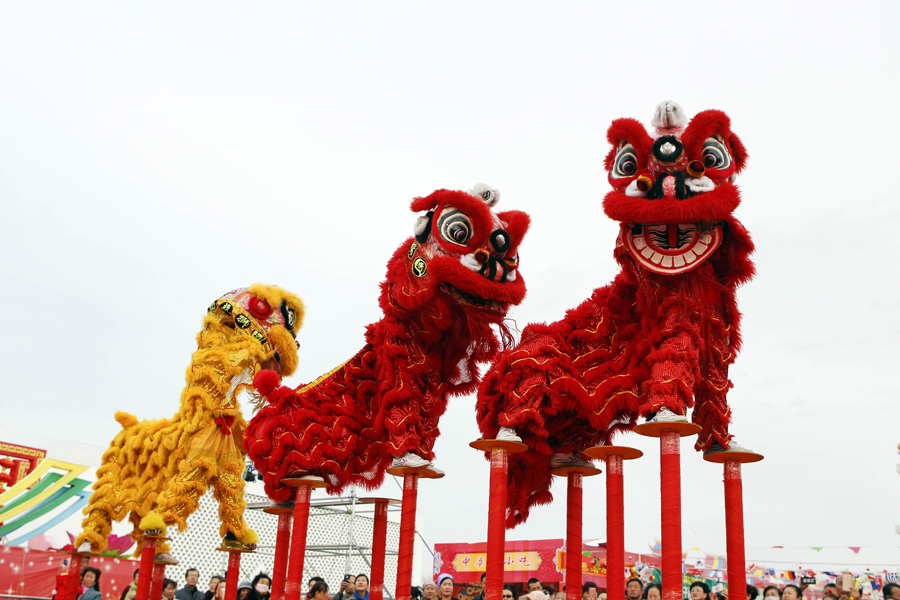
The Northern Lion Dance is known for its playful and theatrical movements, often featuring a duo of dancers who portray a male and female lion. This style is characterized by its emphasis on acrobatics and martial arts techniques, with performers often balancing on high poles and executing daring flips. The costumes used in Northern Lion Dance closely resemble real lions, with shaggy fur and vibrant colors, creating a lifelike appearance.
Southern Lion Dance
The Southern Lion Dance, originating from Guangdong province, is highly stylized and expressive, drawing inspiration from Chinese opera facial styles. This style focuses on storytelling and symbolism, with the lion often depicting emotions such as joy, anger, and suspicion through exaggerated movements and facial expressions. The Southern Lion Dance is typically performed on the ground, with intricate footwork and rhythmic synchronization between the dancers and musicians.
Performance Elements
Costumes
The costumes used in lion dance performances are elaborate and intricately designed, often featuring vibrant colors, sequins, and detailed embroidery. These costumes are crafted to resemble a lion, with a large headpiece and a flowing body that allows the dancers to mimic the lion's movements. The lion's head is often adorned with expressive eyes and a movable mouth, adding to the lifelike portrayal of the animal.
Music and Instruments
Music plays a vital role in the lion dance, providing rhythm and energy to the performance. Traditional instruments such as drums, gongs, and cymbals are used to create a lively and captivating soundtrack. The beat of the drums sets the pace for the dancers, while the gongs and cymbals add layers of sound that enhance the overall spectacle. The music is often composed to synchronize with the lion's movements, creating a harmonious and dynamic performance.
Choreography
The choreography of a lion dance is a complex and skillful blend of martial arts, acrobatics, and dance. Dancers must work in perfect harmony to execute the lion's movements, which range from playful frolics to powerful leaps. The choreography often includes intricate footwork, coordinated jumps, and synchronized gestures that convey the lion's emotions and interactions with its surroundings. Mastery of these techniques requires years of practice and dedication, making the lion dance a highly respected art form.
Cultural Significance
Symbolism
The lion dance holds deep cultural significance in Chinese tradition, symbolizing power, wisdom, and good fortune. It is believed to bring prosperity and chase away evil spirits, making it an integral part of celebrations and rituals. The lion's movements are often imbued with symbolic meaning, representing the triumph of good over evil and the pursuit of happiness and success.
Role in Festivals and Celebrations
The lion dance is a staple of various festivals and celebrations, particularly during the Chinese New Year and other auspicious occasions. It is commonly performed at the opening of new businesses, weddings, and cultural festivals, serving as a blessing for prosperity and good fortune. The dance's vibrant energy and cultural richness make it a beloved tradition that continues to be cherished by communities around the world.
Global Influence
Spread and Adaptation
The lion dance has transcended its cultural origins to become a global phenomenon, embraced by communities worldwide. As Chinese immigrants settled in different parts of the world, they brought the tradition with them, leading to the establishment of lion dance troupes in countries such as Malaysia, Singapore, and the United States. Over time, these troupes have adapted the dance to include local cultural elements, creating unique interpretations while preserving the core essence of the tradition.
Lion Dance in Modern Culture
In modern culture, the lion dance continues to captivate audiences and inspire new generations of performers. It is frequently featured in films, television shows, and cultural festivals, showcasing the art form's dynamic movements and vibrant energy. Additionally, the lion dance has become a symbol of cultural pride and unity, serving as a bridge between communities and a testament to the enduring legacy of this cherished tradition.








